Cross-cultural leadership is a critical skill for managers working in Malaysia, where the unique “Bapak” culture challenges traditional Western management frameworks like Theory X and Theory Y. Mastering cross-cultural leadership is essential for any expatriate manager in Malaysia.

Before moving to Asia, my entire professional DNA was shaped by the American corporate machinery. Starting out in the heavy manufacturing sector of Peoria, Illinois, and later navigating the fierce corporate environment of Chicago, I was deeply indoctrinated with a specific management philosophy. In the West, particularly in modern tech hubs, we heavily romanticize Douglas McGregor’s Theory Y. We are taught that employees are inherently motivated, that flat hierarchies breed innovation, and that a manager’s job is simply to get out of the way.
Then I relocated to Kuala Lumpur, and the culture shock hit me instantly. It was not just a change in geography; it was a fundamental shift in human dynamics that required a completely new approach to cross-cultural leadership.
The Trap of Exporting Culture
Many multinational companies make the critical mistake of exporting their Silicon Valley or Western European management styles directly into emerging markets in Asia without any cultural translation. They send in expatriate leaders who immediately try to implement a completely egalitarian, hands-off Theory Y approach. They tell their local teams to speak up, challenge authority, and work autonomously. Instead of sparking a wave of innovation, this approach often paralyzes the team.
What Western managers often misunderstand as a lack of initiative is actually a deeply rooted cultural framework. In many Asian corporate environments, the “Bapak” or paternalistic culture still dominates. It is a system built on profound respect for hierarchy, age, and authority. To a newly arrived expat, this reliance on top-down instruction looks dangerously like Theory X—the outdated belief that workers must be directed and micromanaged because they lack ambition. According to Harvard Business Review’s research on cross-cultural management, understanding local cultural norms is essential for leadership effectiveness in Asia.
To a team raised in a hierarchical culture, a manager who refuses to give clear orders is not “empowering” them. He is abandoning them. This is the fundamental challenge of cross-cultural leadership in Southeast Asian markets.
Re-evaluating Structure as Care
This is a massive misinterpretation. In traditional markets, clear directives from a leader are not a sign of oppression; they are a sign of competent leadership and care. When a manager suddenly removes that structure in the name of empowerment, the team feels abandoned, not liberated. They are waiting for guidance, and the leader is waiting for them to take charge. The result is a total operational gridlock where trust erodes on both sides.
To succeed in a multicultural environment, you cannot afford to be an ideological purist. You cannot stubbornly force a Theory Y framework onto a team that culturally expects a structured Theory X approach, nor can you treat modern, highly educated local talents like mere order-takers. The solution is becoming a truly adaptive leader who understands the cultural DNA of their workforce. A great starting point for any manager struggling with this cross-cultural leadership dynamic is to map out their team’s underlying traits using tools like our free DOPE Personality Test, which helps decode whether your team needs strict frameworks or creative freedom.
Cross-Cultural Leadership: Becoming an Adaptive Leader in Malaysia
Bridging this global-local gap in cross-cultural leadership requires more than just reading a management book. It requires structured intervention. If your organization is experiencing friction between expatriate leadership and local execution, our comprehensive Corporate Training Programs are designed to translate global strategies into local realities.
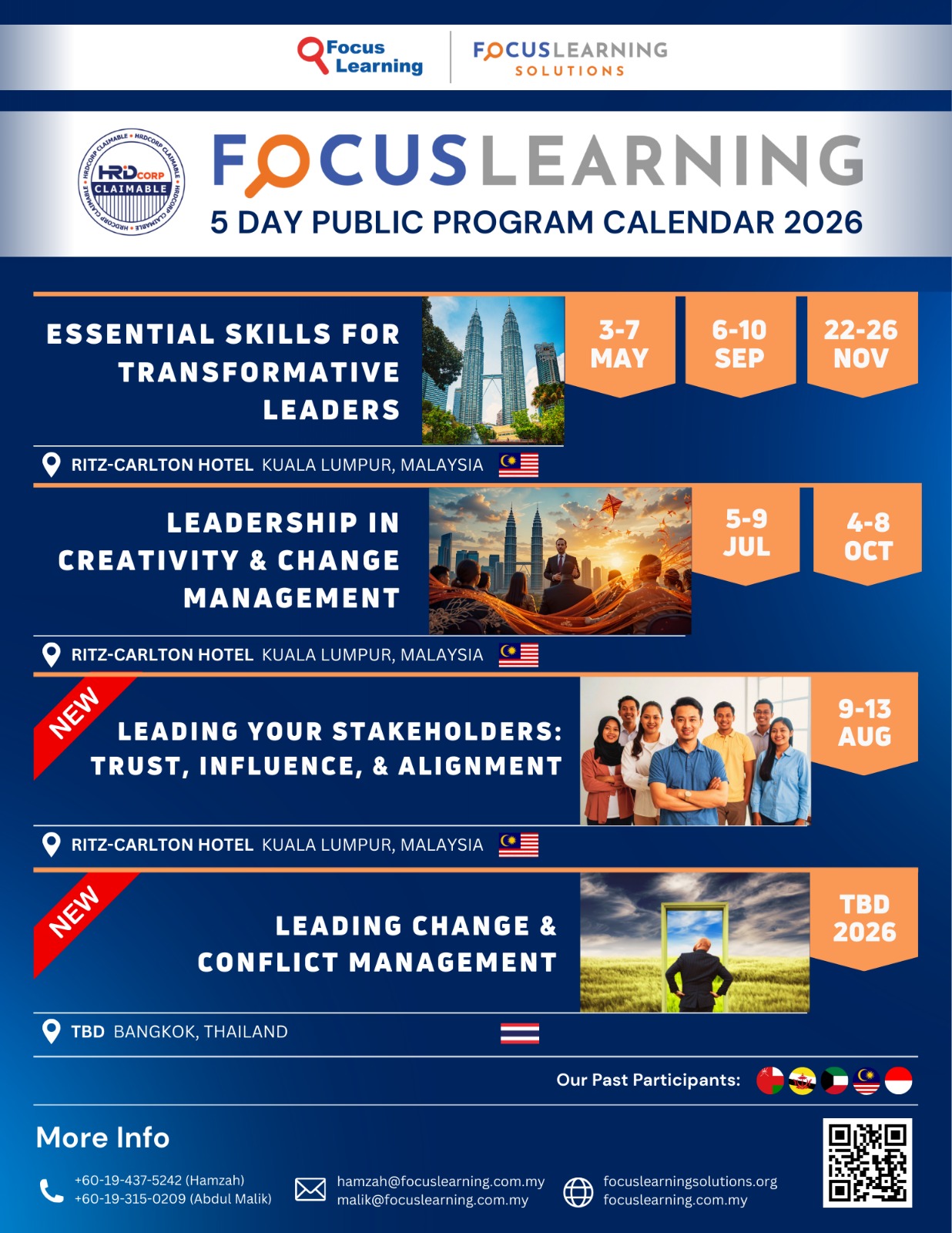
For managers who need immediate, practical frameworks to adjust their cross-cultural leadership style across different cultures, our intensive 2-Day Public Program provides the exact toolkit required to pivot from a failing management style to an effective one. However, for senior leaders who are serious about mastering cross-cultural team dynamics and aligning regional offices with global headquarters, the ultimate crucible is our flagship 5-Day Mini MBA Program in Kuala Lumpur.
Effective cross-cultural leadership is not about choosing between Theory X and Theory Y. It is about knowing your environment well enough to know exactly which tool to pull from your belt.
ملخص:
تناقش هذه المقالة الفشل الذي تواجهه الشركات العالمية عند تطبيق نظريات الإدارة الغربية (مثل نظرية Y) في الأسواق الآسيوية دون مراعاة الفوارق الثقافية. الحل هو أن تصبح قائدًا تكيفيًا حقيقيًا يجمع بين الهيكلية والتمكين.
Ringkasan Eksekutif:
Artikel ini membahas mengapa gaya manajemen “Silicon Valley” (Theory Y) sering gagal total saat diterapkan di tim multikultural Asia. Berdasarkan pengalaman Hamzah berpindah dari Chicago ke Kuala Lumpur, tulisan ini mengkritik manajer ekspatriat yang memaksakan kebebasan tanpa struktur di budaya yang paternalistik (“Bapak Culture”). Solusinya bukan memilih antara Theory X atau Y, melainkan menjadi pemimpin adaptif yang tahu kapan harus memberi instruksi tegas dan kapan memberi otonomi.